News & Reviews
Crazy for Catnip
Why cats lose their minds over this perennial herb
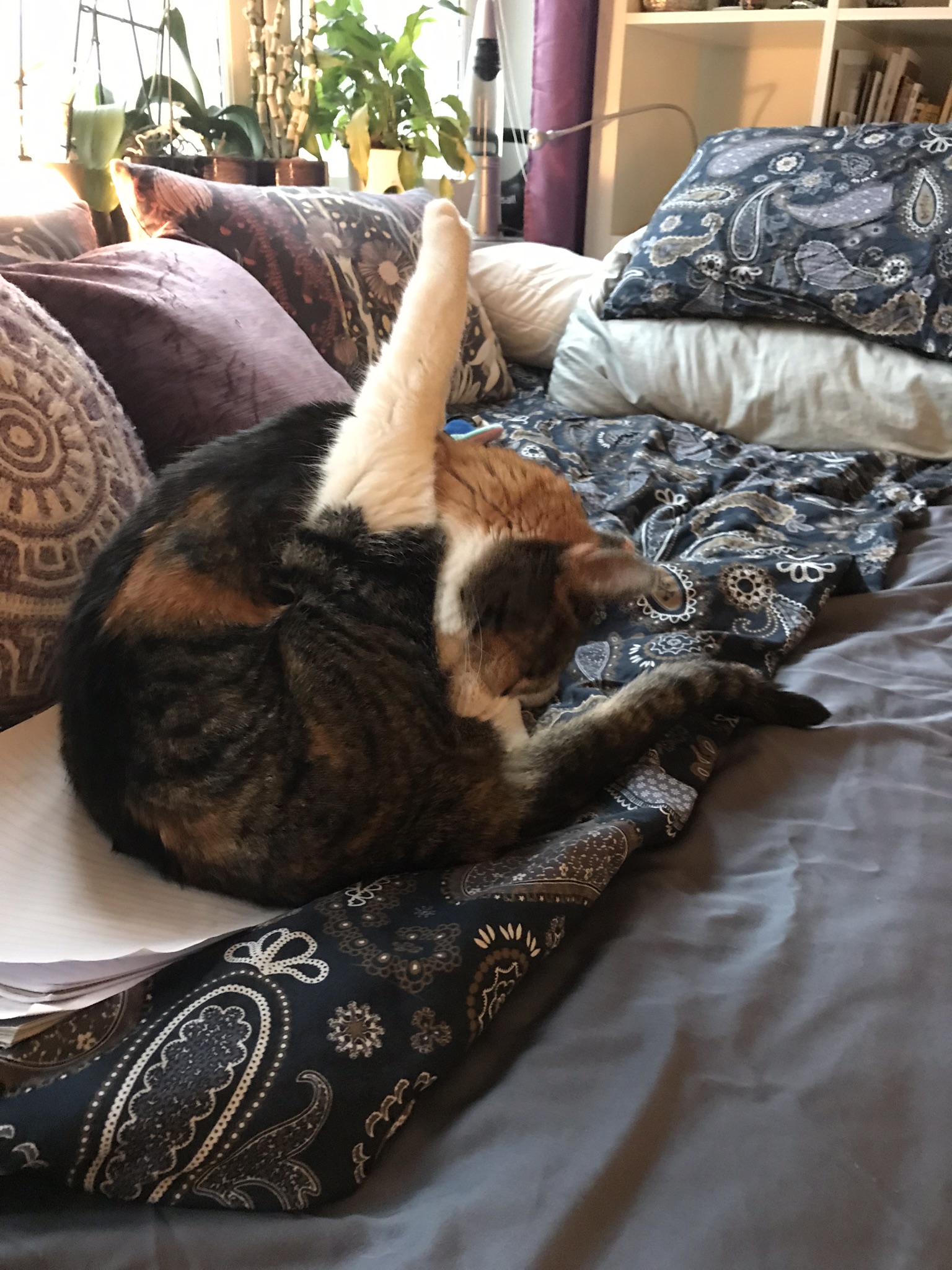
So, what is catnip anyway? Catnip is one of the approximately 250 species in the mint family and has a leafy green appearance. Nepetalactone, the essential oil in catnip, can turn even the laziest couch potato into a crazy furball—if said furball happens to have inherited the sensitivity to its effects. The trait doesn't emerge until a cat is between three and six months old; until then, a kitten will not have a response. Sensitivity to this herb is hereditary—an estimated 50 percent of cats have no reaction.
The most intense catnip experience starts with the nose—one whiff of the stuff and your cat promptly goes nuts. Researchers suspect that the herb targets feline "happy" receptors in the brain. When eaten, however, it tends to have the opposite effect and your cat mellows out. Most cats react to catnip by rolling, flipping, rubbing, and eventually zoning out. They may meow or growl at the same time. Other cats become hyperactive ordownright aggressive, especially if you approach them. Usuallythese sessions last about 10 minutes, after which your cat loses interest. It may take as long as two hours for him to "reset" and become susceptible to it again. Be mindful of overindulgence though—cats are unlikely to overdose on catnip, but they can get sick if they eat too much. Trust your kitty to know when they'vehad enough.
Cats Review B&B:s
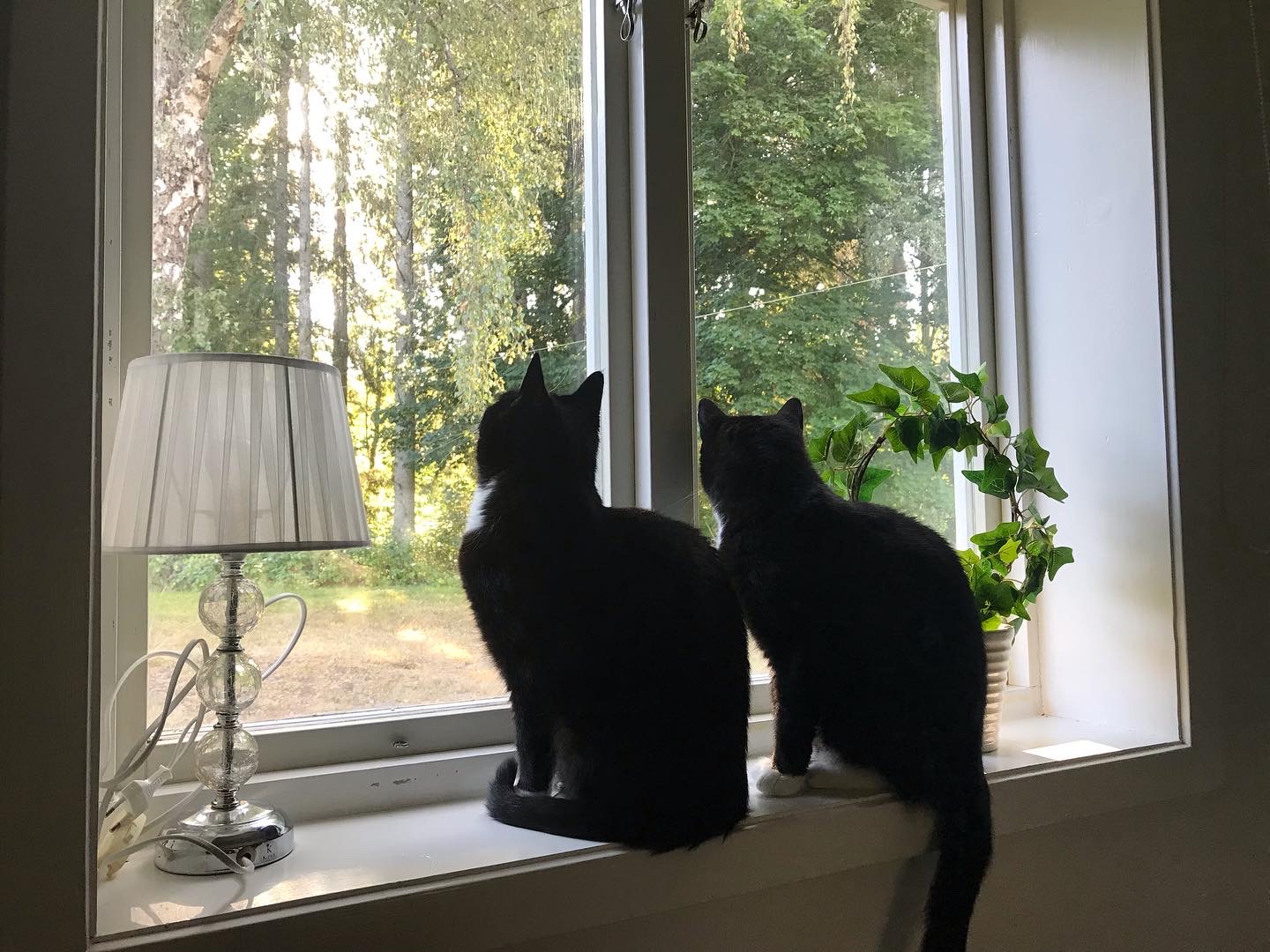
Blekinge
A room with a view!
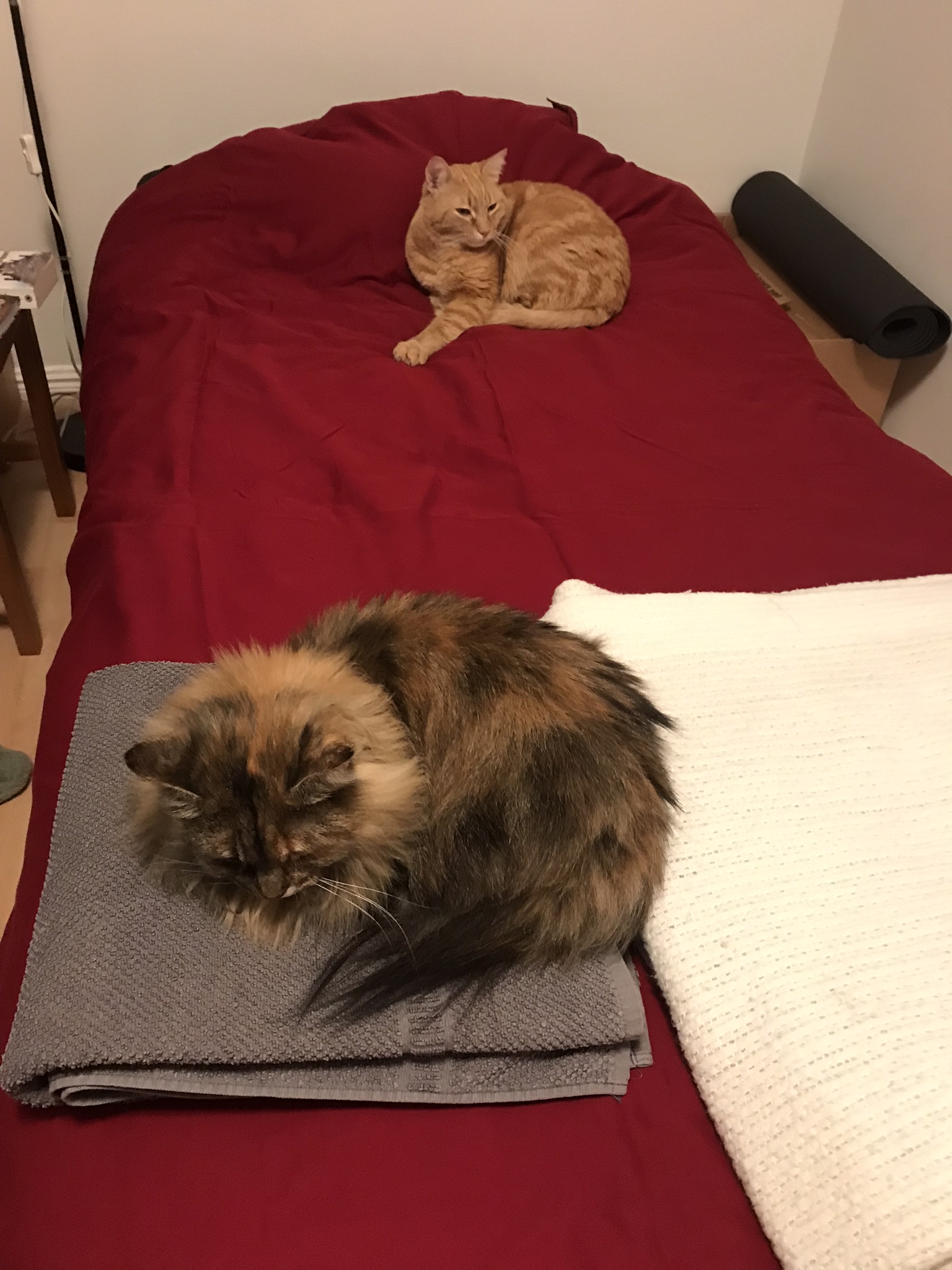
Ume
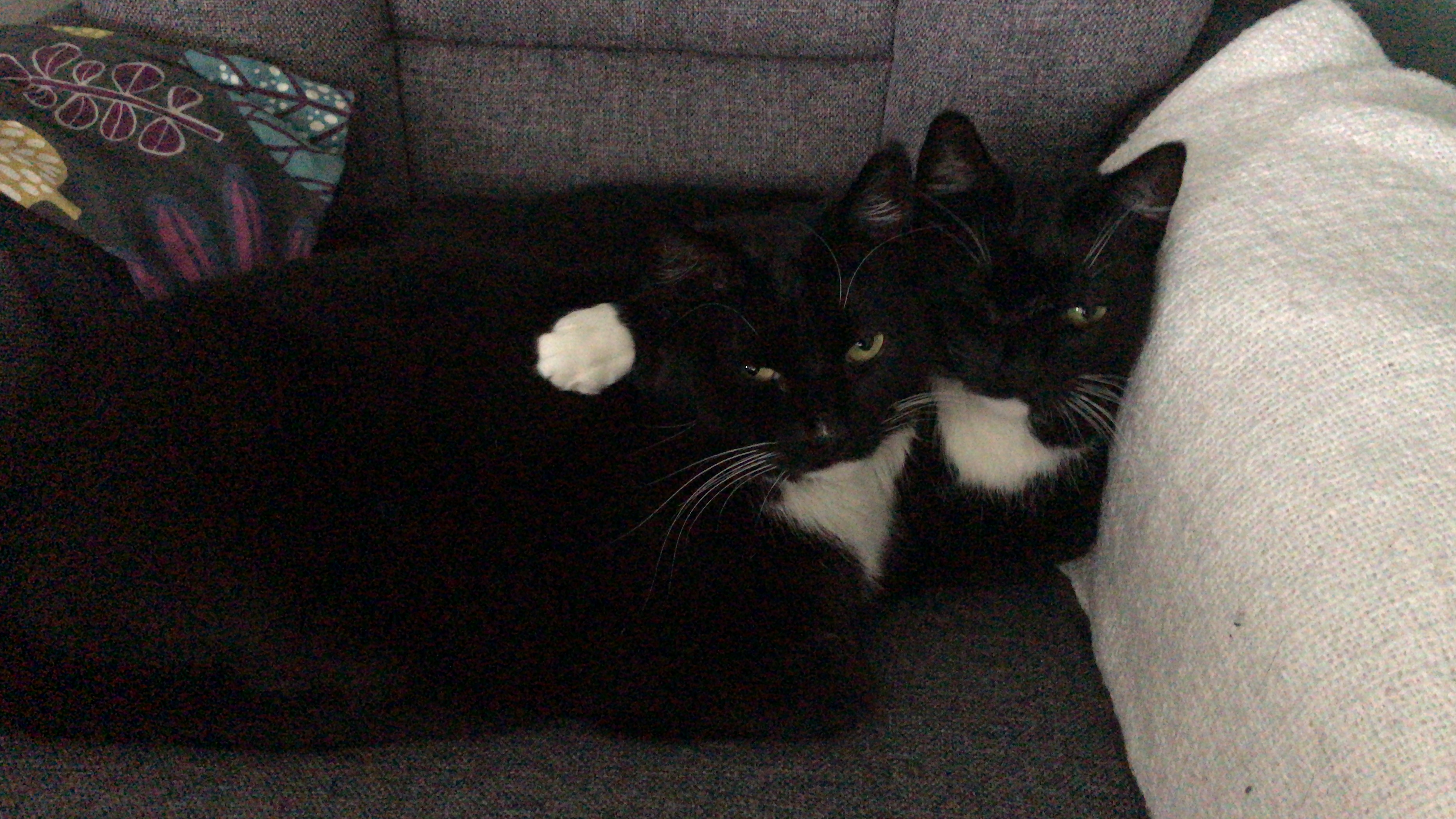
We would have preferred separate beds
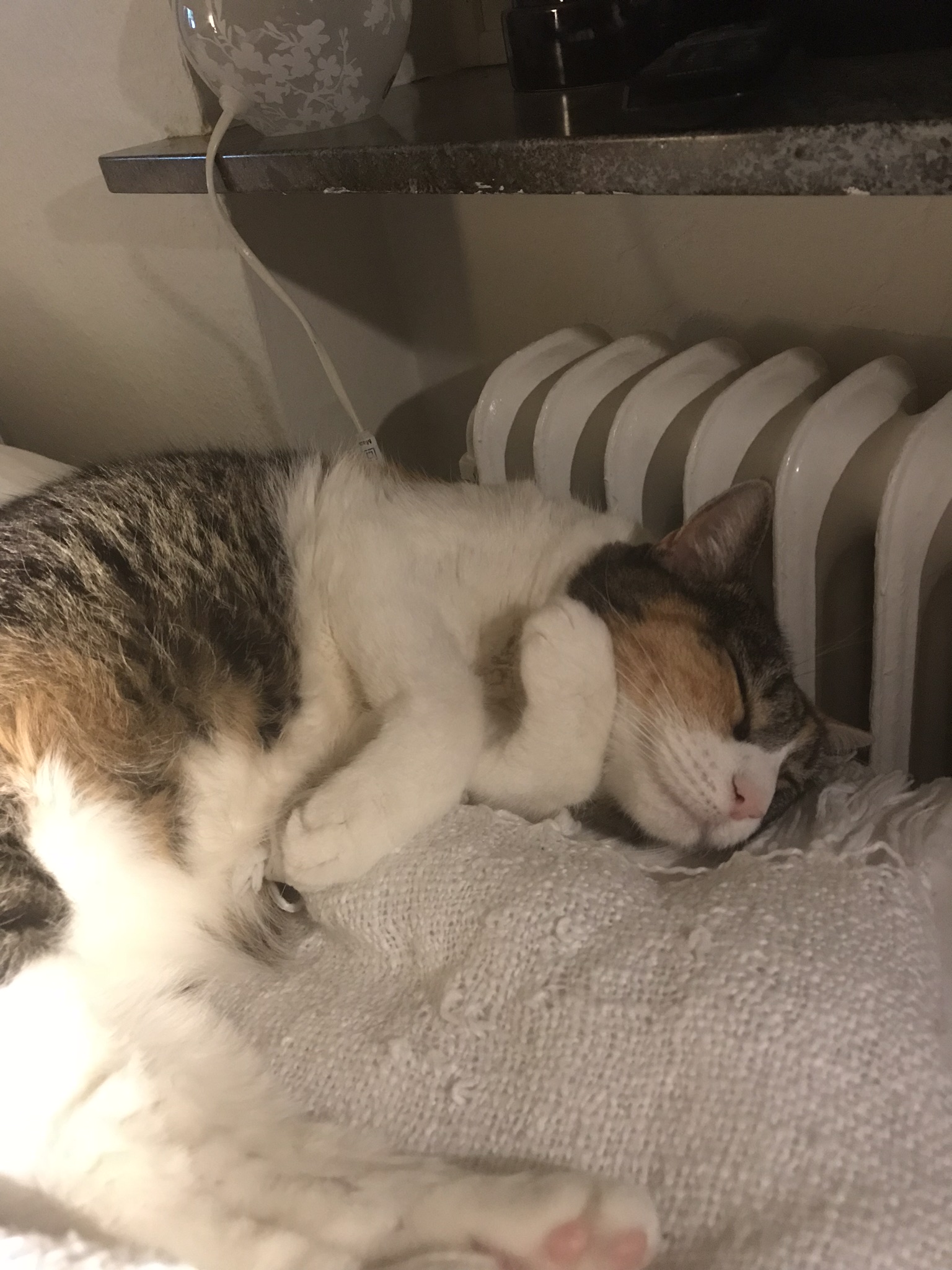
Malmo Central B&B
Warm and cozy
Malmo Spa
Meh
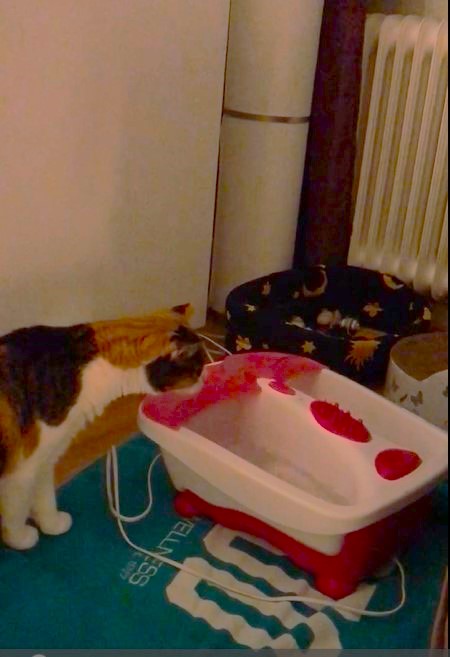
Malmo Central B&B
Great breakfast!
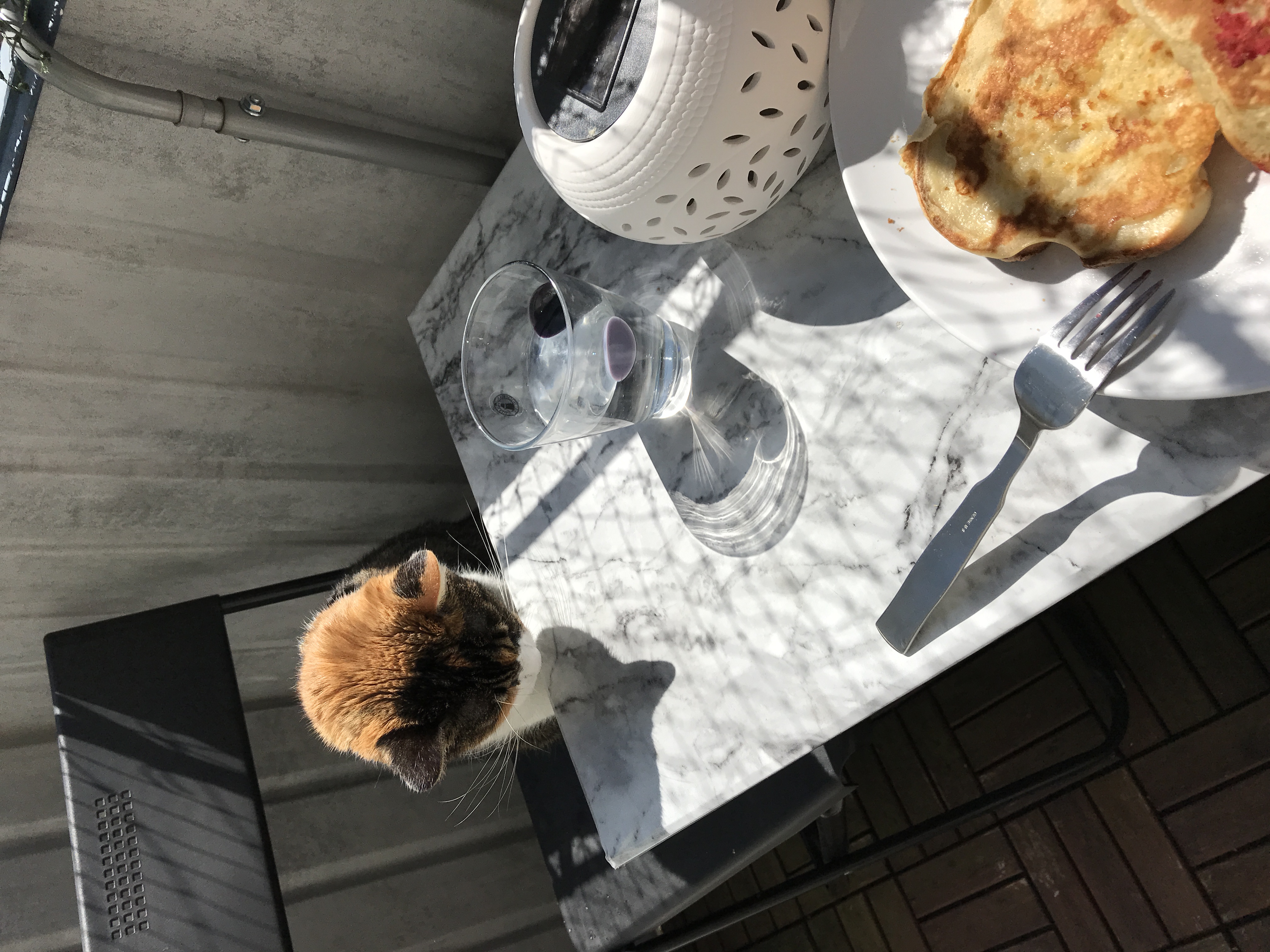
Ume
Siberia? Too cold to be outside
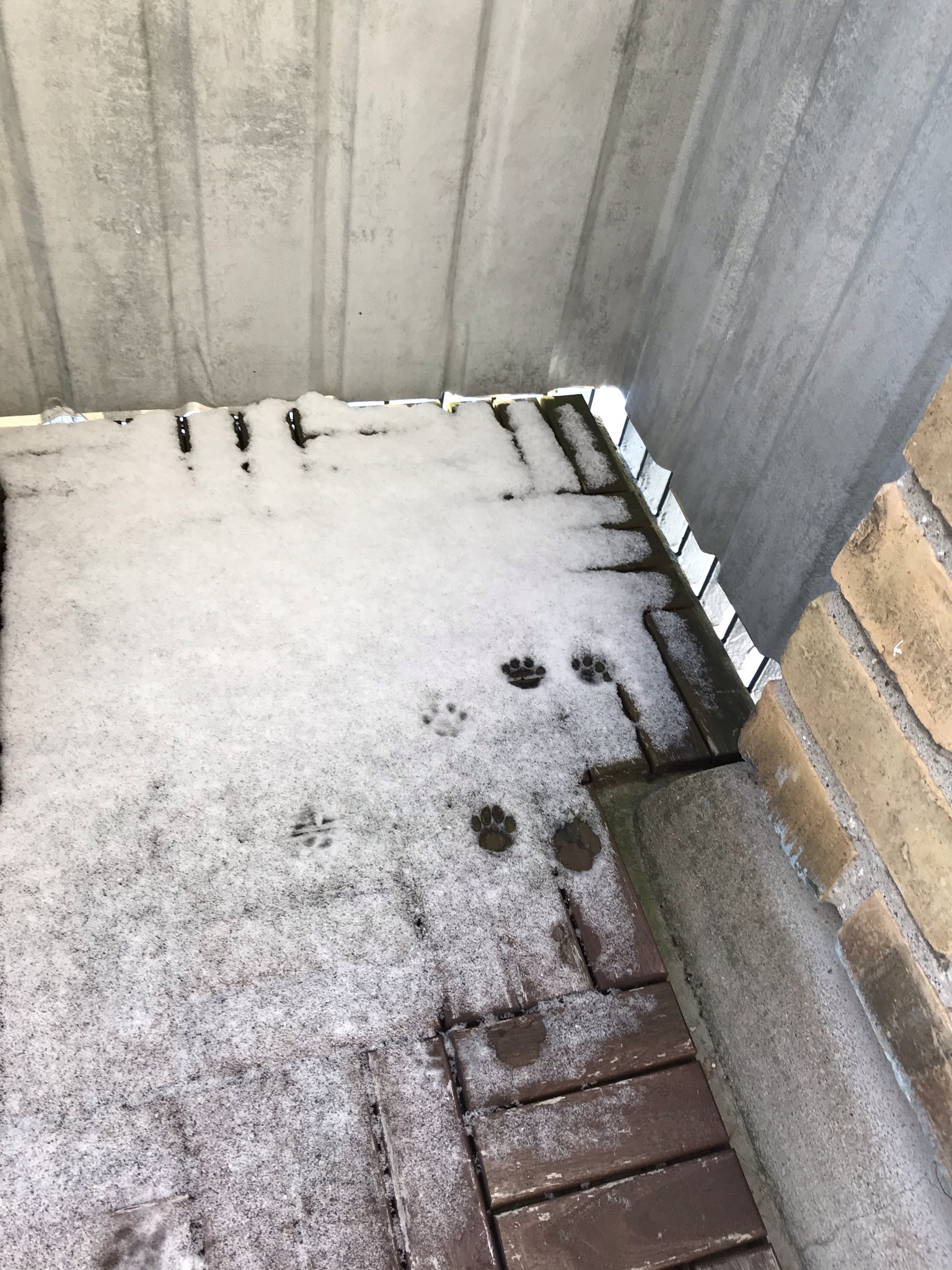
Malmo Best Western B&B
Ok patio but no sun
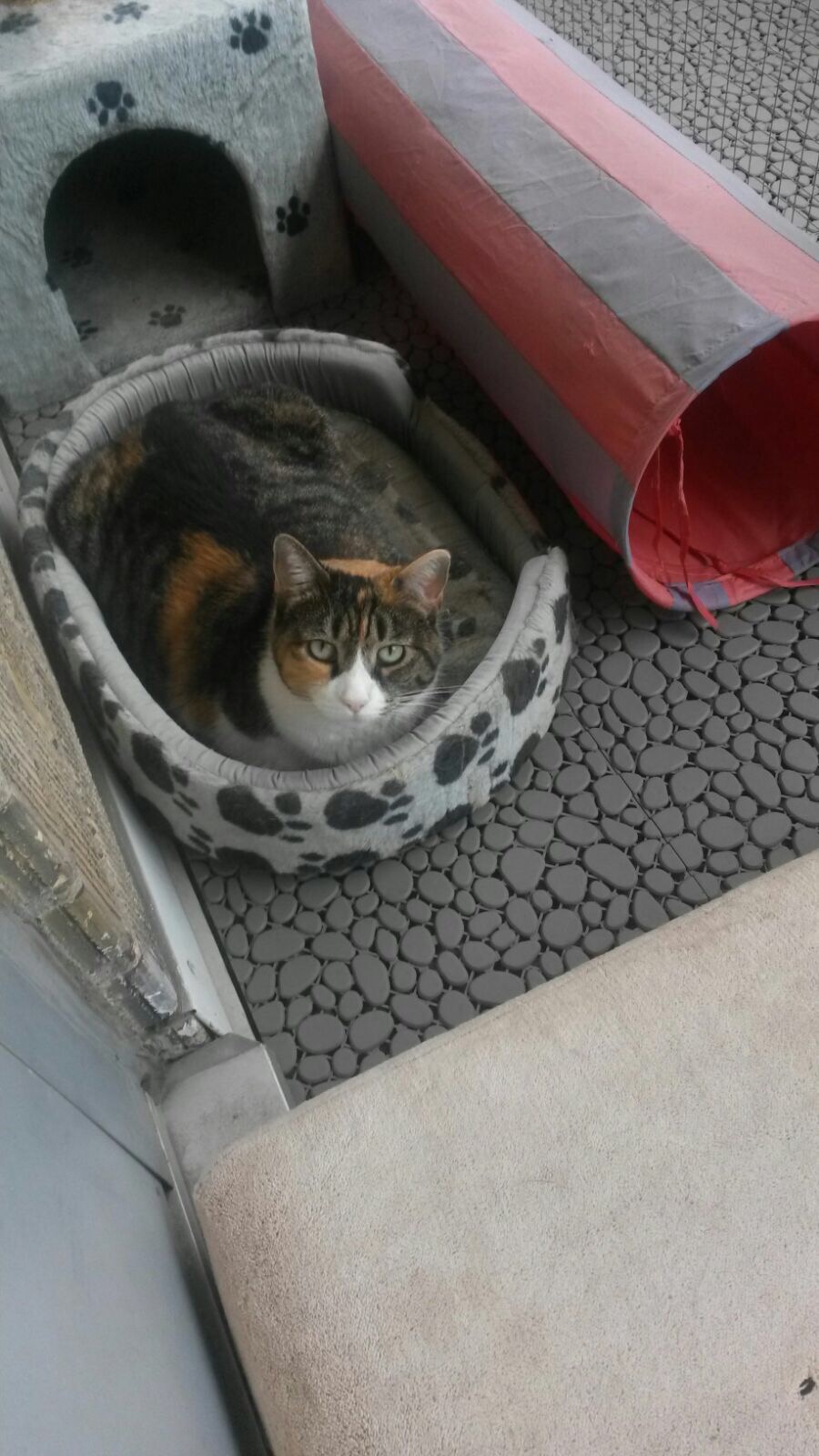
Malmo Spa
Pay per view too expensive
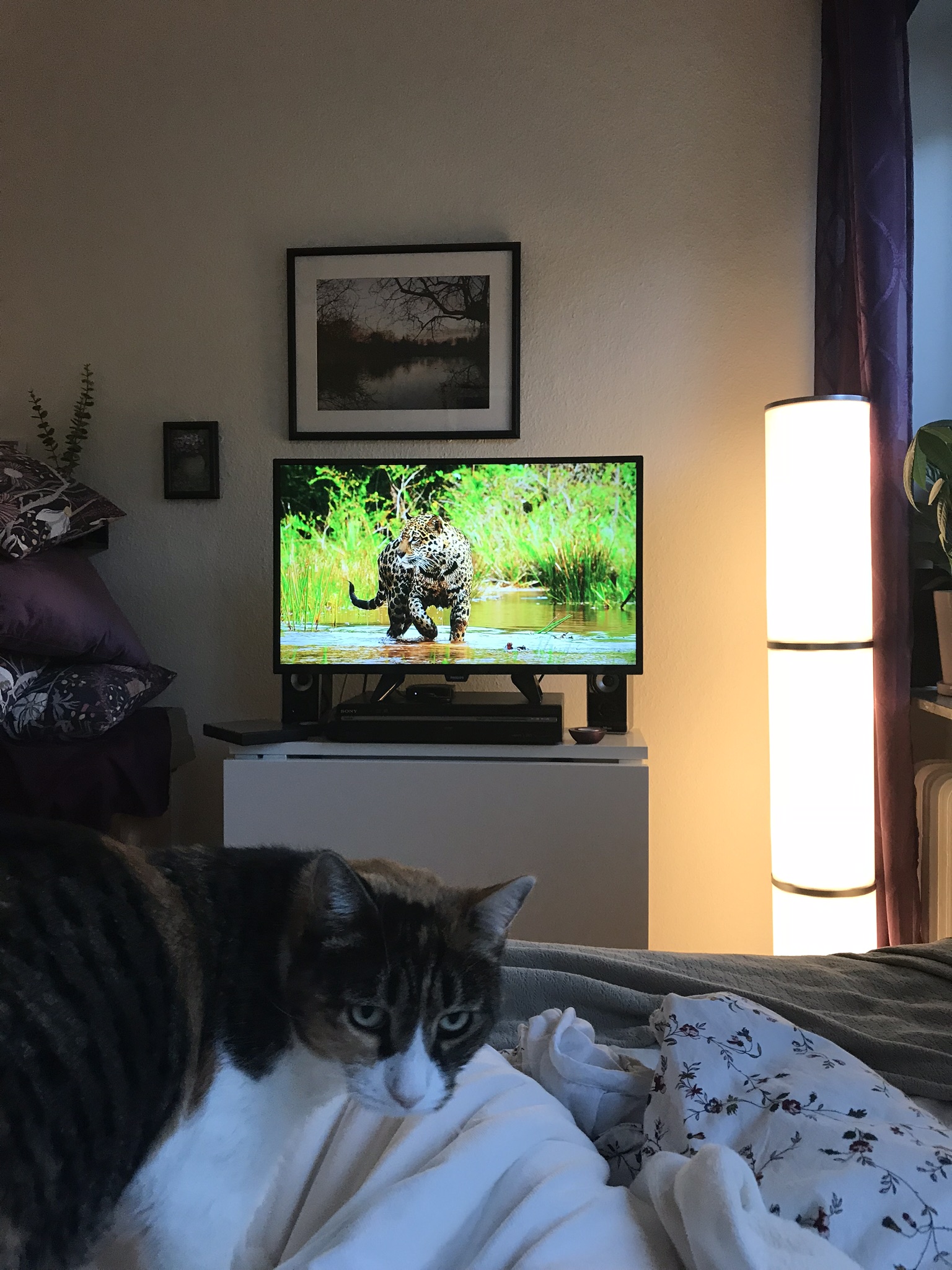
Malmo Spa
Excellent yoga equipment
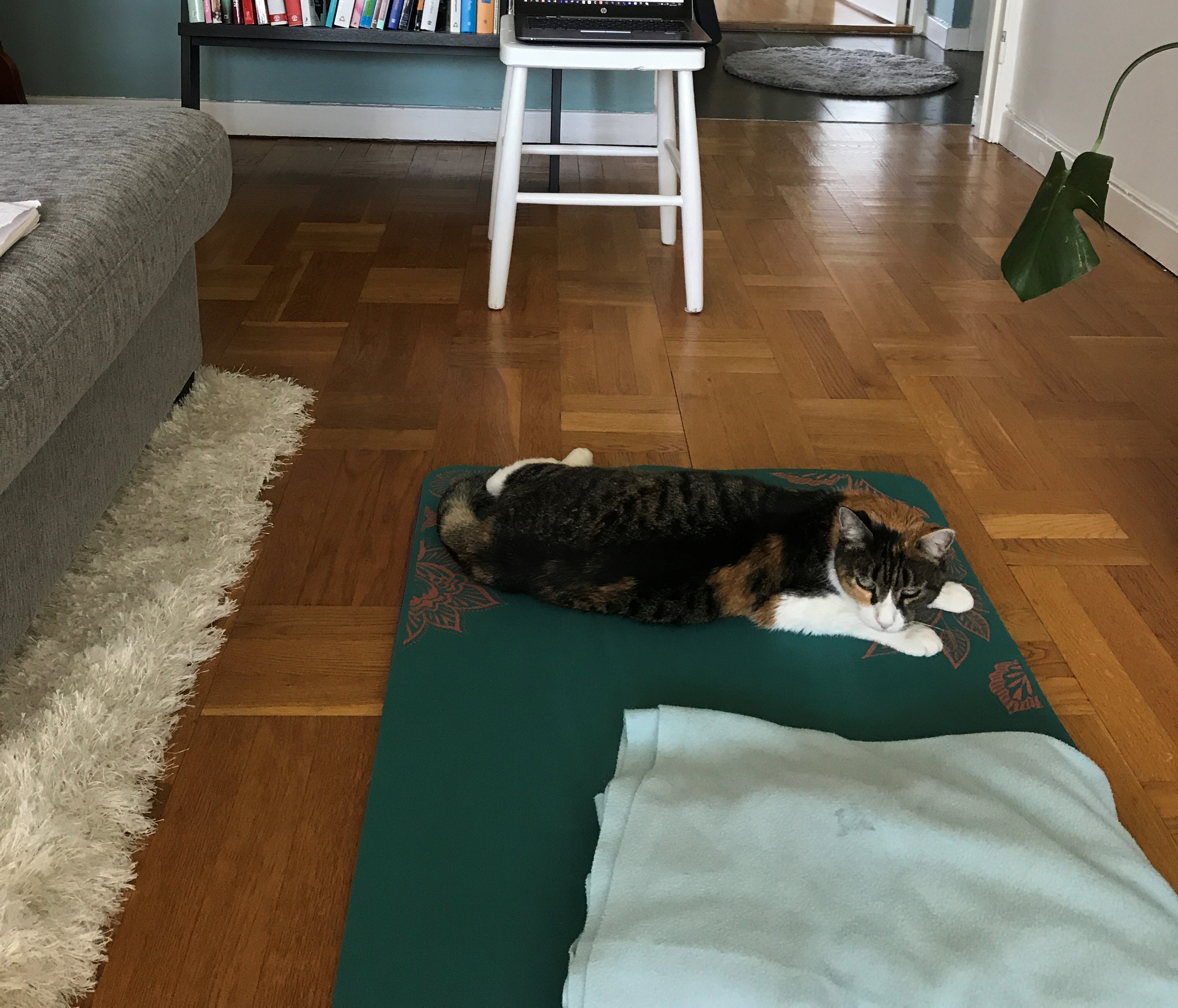
Ume
So romantic! But excruiatingly cold
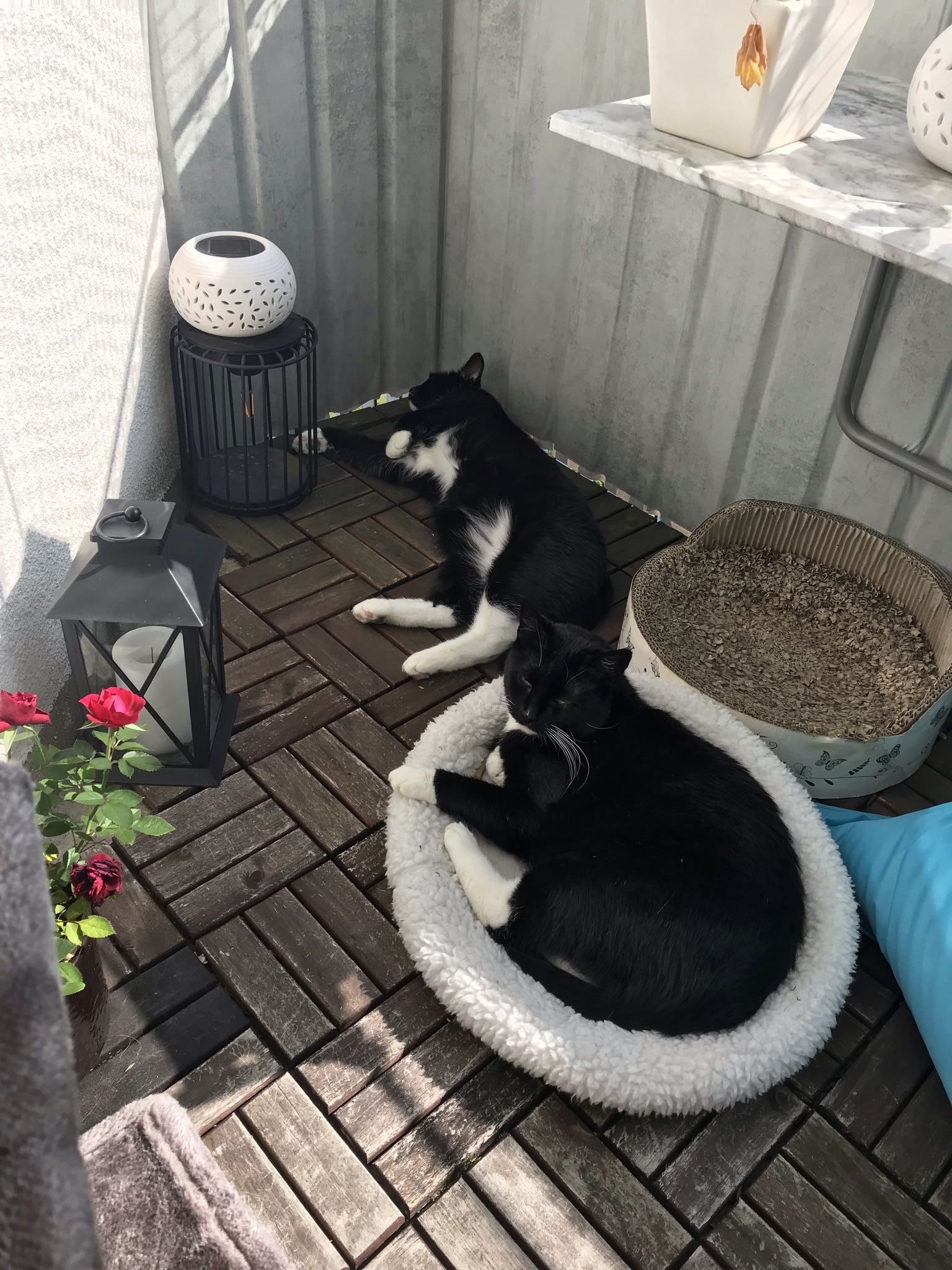
Malmo Central B&B
Warm and sunny patio
Malmo Spa
Excellent yoga studio